
How to Update Your Driver’s License When You Move to a New State

Moving to a new state can be very fun and adventuristic. But with every change, there is a bit of paperwork that needs to be done. So when you move you also have to update your driver’s license. Not just important for things as your HR department at the new workplace, but all states legally mandate that you update your driver’s license.
We have a couple of tips below that will help you with the moving and getting a new driver’s license.
Getting Started: Find Your DMV
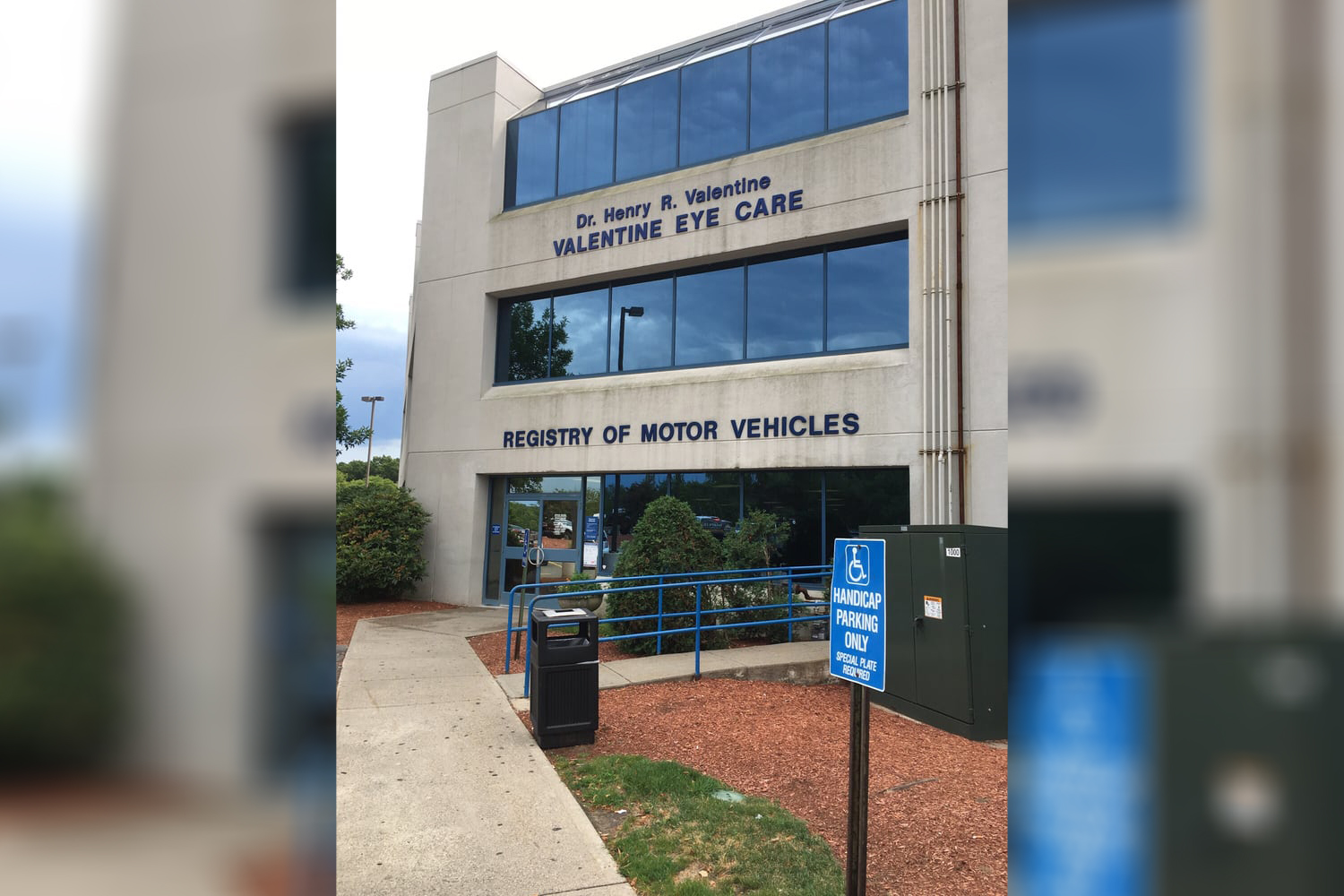
Number one thing is to figure out how and where to update your driver’s license. You need to identify the government entity that handers driver’s licenses in the state. Most of the times it’s called Department of Motor Vehicles (DMV) or the Registry of Motor Vehicles (RMV). They have all the documentation required to update your driver’s license on their websites. Their websites also contain the legally mandated timeframe. For some states, this means immediately. The sooner you can check this off your list, the better.
Here’s a great list of where to find your local DMV:
What to Bring to the DMV
Once you’ve done your research, you should know how to update your driver’s license. It’s time to collect all your personal documentation needed for the update. This will prove your identity and your new residency in the area. Check your state’s specific list of verification requirements before going to the license office. By default, we’ve found that you will need the following required pieces of documentation:
- Your current driver’s license from your old state. Make sure it’s not expired, or you’ll have to get a new license which requires passing a driver’s test. (More on that below)
- Additional verification of your identity, including social security card or passport. Your state’s website will include a full list of required documents.
- Proof of residence at your new address. Some states require two forms, such as utilities or a cable bill.
- Payment. Be sure to check online to find the appropriate form of payment your state requires – cash, check or credit card.
For all these documents, make sure you bring the original copies rather than scans or photocopies. Also, avoid showing an online bill from your phone as proof – you must bring hard copies.
Tip:
Try not to have any big events coming; like a flight, or something else that will require a hard copy ID or Driving Licence. Because when you change your license you will get a paper printout version until the hard copy comes to your mailbox which is normally within few weeks. If not, you will have to bring your passport with you for identification.
What To Expect When You’re There
- Waiting Time – We all know that the DMV has horrifying wait times, but now many states offer online time schedule. Where you can “get in line” within a designated timeframe. Also, wait times in the summer are the longest, so keep that in mind if you’re completing a move during that timeframe.
- Vision Test – You will have to pass a vision test to make sure your eyes are reliable for operating a vehicle. If you wear prescription contacts or glasses, the DMV will make a note on your new license, making it illegal to drive without your glasses or contacts.
- Payment – Accepted payment methods vary by state, so check online for specific requirements. You can bring a checkbook, credit card, debit card, and cash just to be safe. It can be a slight overkill, but it’ll be worth it if you waited in line and you can’t pay at the end.
Other Things to Remember When Driving in a New State
You may need to re-take a driving test
Drivers under 18 may need to take a driver’s test in their new state or show proof of finished driving classes – regardless of whether their permit hasn’t yet expired. If your license from your old state has expired, you won’t have the option to transfer your license to your new state. Instead, you will have to follow the steps to get a new license in that state, which will include a driver’s test (yes, like the one you took when you were 16).
You’ll have to update your car insurance
You will likewise need to update your auto insurance policy when moving. All states require drivers to carry a minimum level of liability insurance coverage. Those requirements vary state to state, and your insurance coverage rates vary from zip code to zip code.
While you’re considering changes to your policy, comparing quotes with new companies in your area can be beneficial since not all carriers offer coverage in all states. Insurox can help you make the switch to an insurance company who can better serve your coverage needs, budget, and service-level preference. Also, you must report an address change to your insurance company or else you could risk being dropped or having a claim denied.
What Will Happen If You Don’t Transfer Your Driver’s License?
Obviously, you need to transfer your driver’s license for the legal records, updating your car insurance, and to comply with state regulations. So you might get away with keeping your old license for a while, but there will be eventual consequences.
Just go and finish that so you can focus on more exciting things, like discovering the best pizza place in your neighborhood or where to get the best thrift finds to decorate your new place. And welcome to your new home!



Leave a Reply